Blog
How to Display an Epoxy Ocean Lamp on a Shelf, Desk, or Nightstand

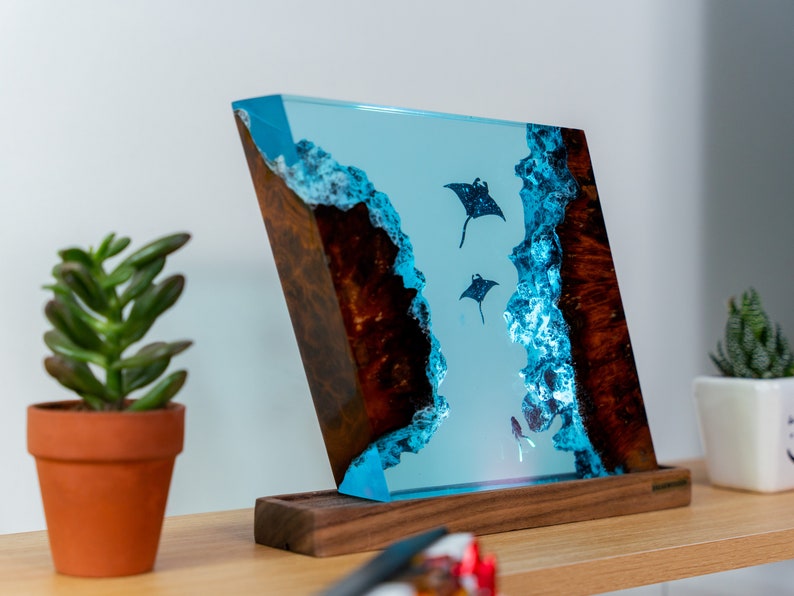
Once you have an epoxy ocean lamp, the next question is where to put it. The placement affects how the lamp looks during the day, how it glows at night, and how useful it is as a piece of room decor.
This guide covers practical display ideas for shelves, desks, and nightstands, along with a few things worth considering before you commit to a spot.
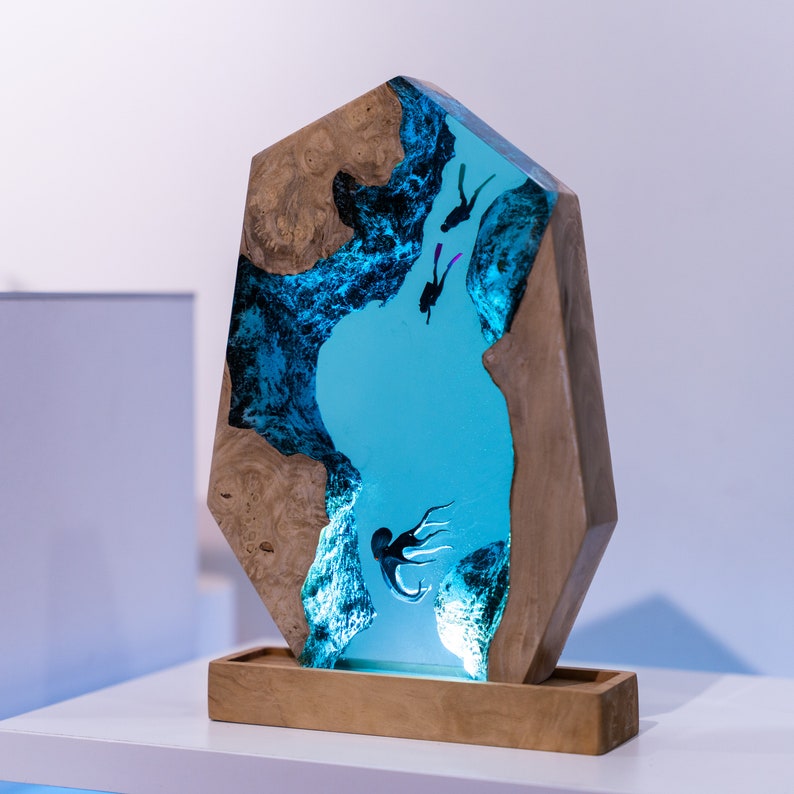
Shelf Display: Let the Scene Breathe
A shelf is one of the best places for an ocean lamp because shelves are built for showing things. A single EpoLume ocean lamp on a shelf can anchor the whole display without competing with too many other objects.
Try placing the lamp on a shelf where it gets some direct or indirect light during the day. That way, the resin catches light naturally and the scene looks interesting even when the lamp is off. If the shelf is in a bookcase or cabinet, the lamp becomes part of a curated display rather than a random addition.
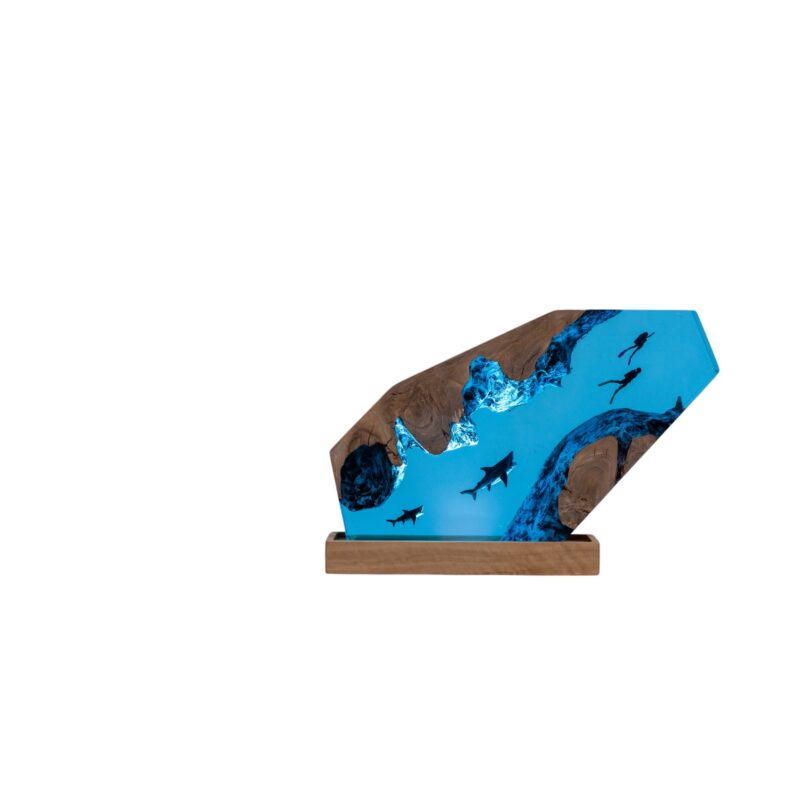
For a shark ocean lamp or whale lamp, a taller shelf with some room above it works better because these larger animals need space to be appreciated.
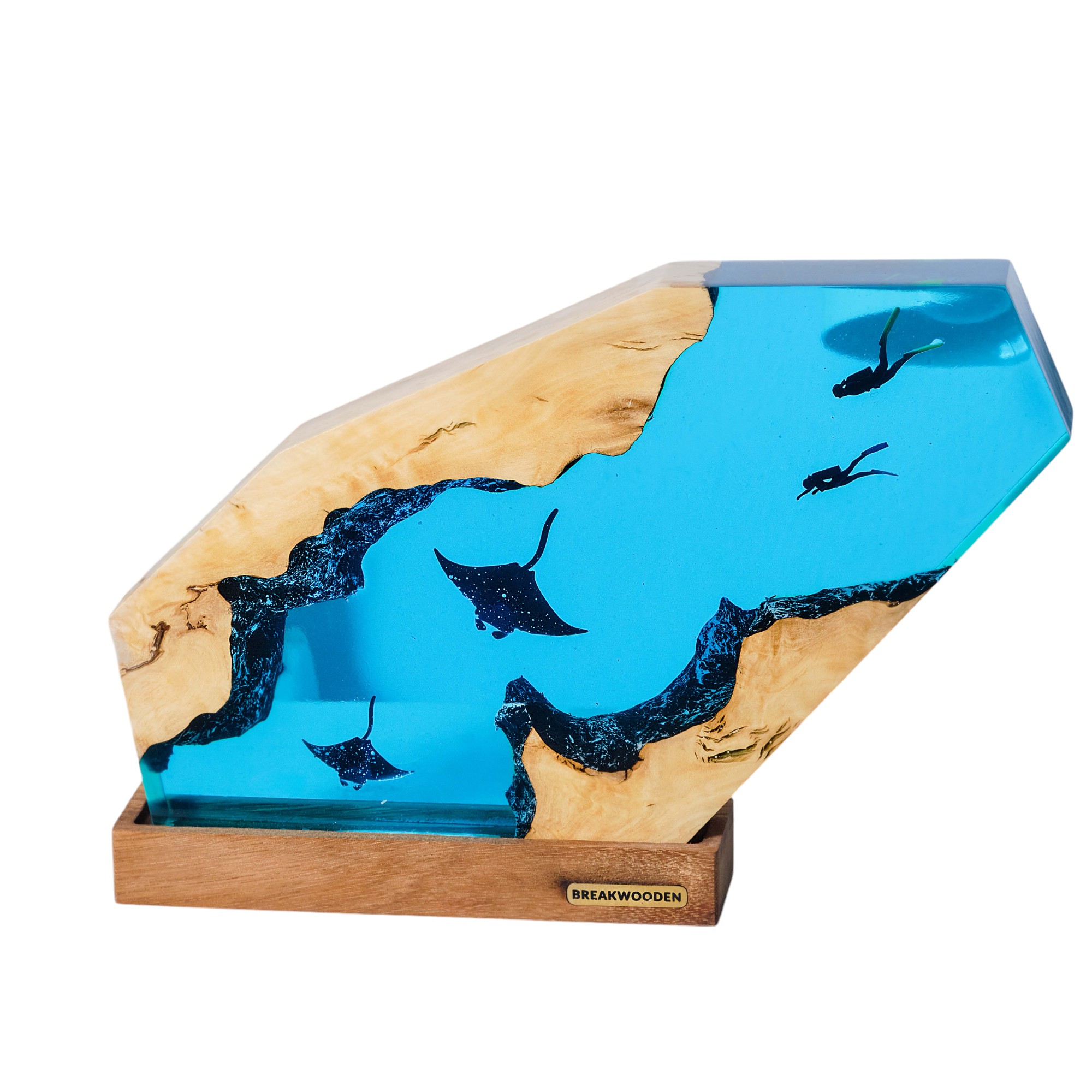
Desk and Home Office Setup
An ocean lamp on a desk works best as a background element rather than a focal point. It should not block your monitor or take up your primary work surface. A good position is to the side of the monitor or at the far corner of the desk where you can see it without staring at it.
The USB base makes it easy to plug into a desktop USB port or a small adapter without adding another power socket. For gaming setups or minimalist desks, a compact size M lamp works better than a larger L or XL.
For a home office with a calm aesthetic, a manta ray lamp or jellyfish lamp in soft blues fits better than a bold shark scene, which can feel too intense for long work sessions.
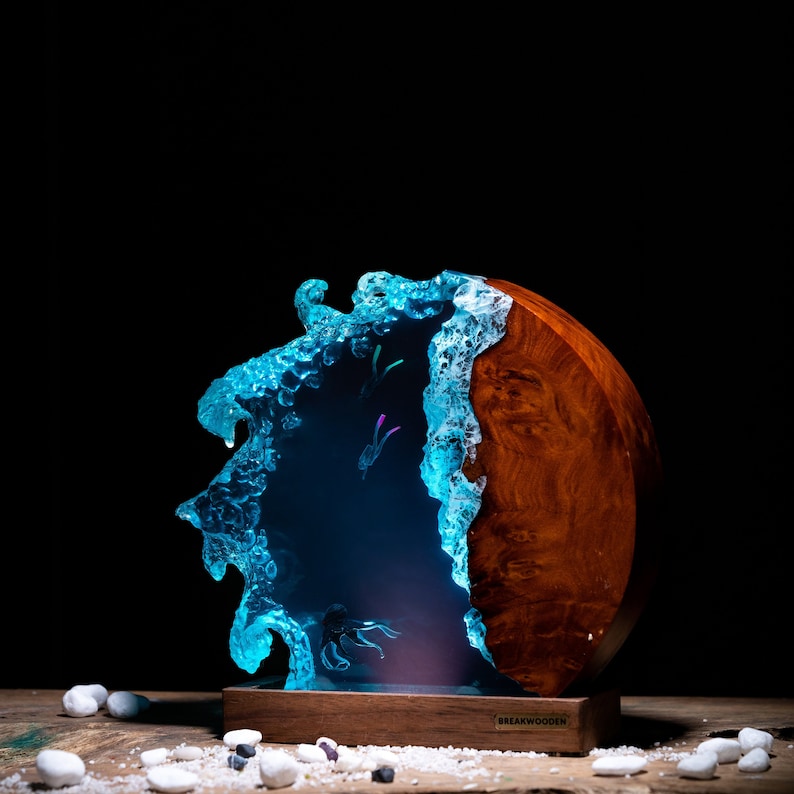
Nightstand and Bedside Table
A bedside table is one of the most intimate spots for an ocean lamp. You see it when you wake up, when you are falling asleep, and possibly in the middle of the night if you are a light sleeper. That makes the scene choice more personal than for a desk or shelf.
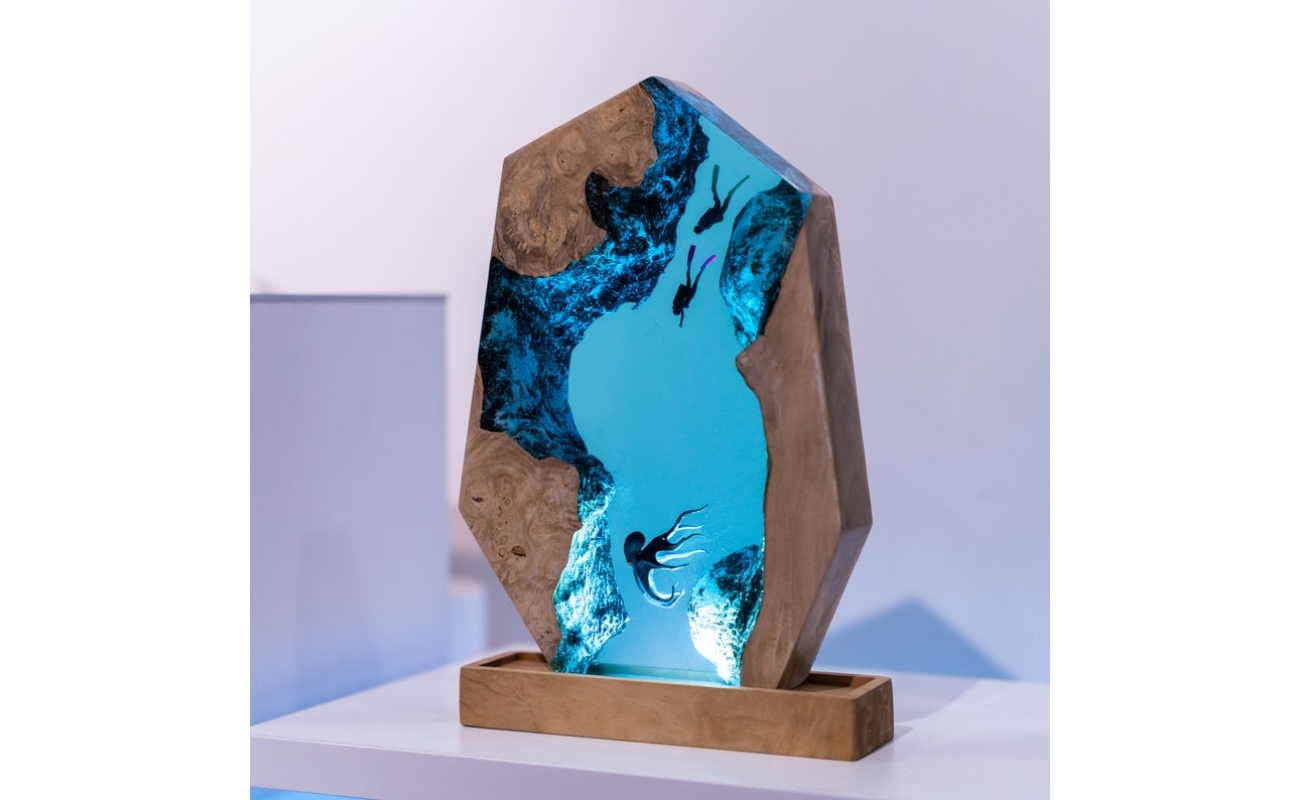
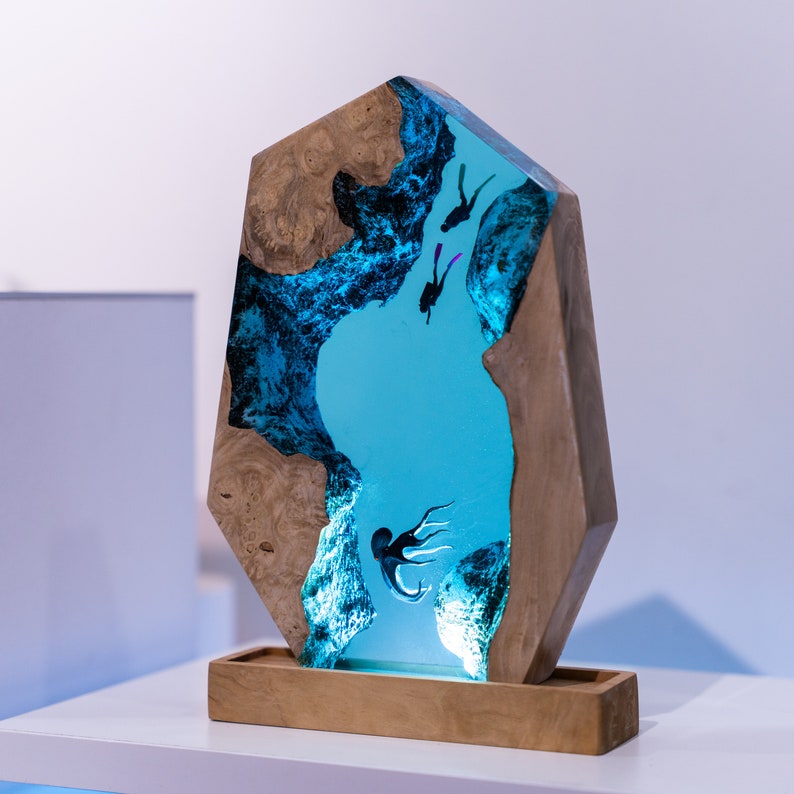
For bedside use, the glow should be soft enough to not interfere with sleep. A octopus and diver lamp or a jellyfish lamp tends to produce a softer, more ambient glow that is better for bedrooms than a bright shark or whale scene.
Size M is the most common bedside choice. It fits on most nightstands without crowding out a book, phone, or glass of water.
How to Make the Display Look Natural
Handmade ocean lamps tend to look better when they feel part of the room rather than placed on a clean white surface like a product photo. In real rooms, these lamps sit naturally beside books, plants, cables, and everyday objects.
Some tips for a natural-looking display:
- Leave space around the lamp so the resin scene is easy to see from the main viewing angle.
- Mix the lamp with other personal items rather than making it the only thing on the shelf.
- If the room has warm tones, a whale lamp in warm blues may fit better than a bright cyan shark lamp.
- Turn the lamp to face the main sitting or sleeping area so the glow reaches the right zone.
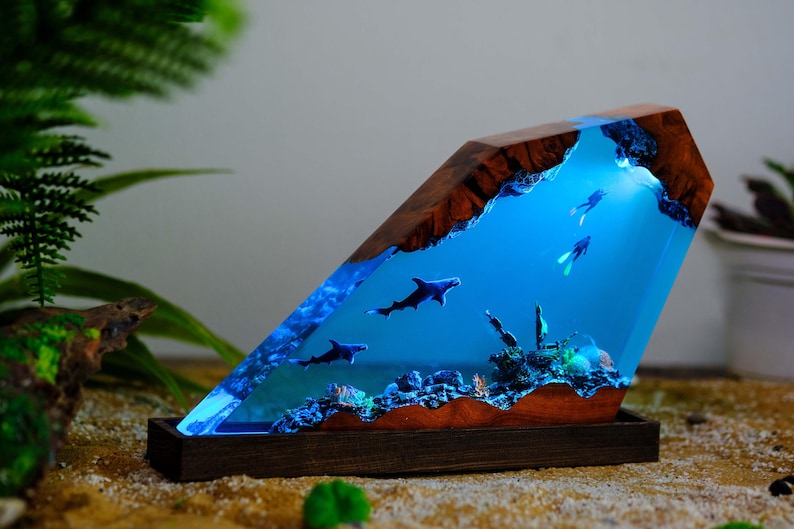
Caring for Your Display Lamp
A few simple habits keep an ocean lamp looking good over time:
- Wipe the resin surface gently with a dry microfiber cloth. Dust can settle on the resin and dull the glow slightly.
- Keep the USB base away from liquid spills. The base is electrical and should not be exposed to water.
- Rotate the lamp occasionally if it is on a turntable or if parts of the resin are showing signs of sun fading from direct sunlight.
- Use the lamp regularly. LED longevity is best maintained with consistent use rather than long periods of being completely off.
Explore the full range of EpoLume Ocean Lamp collection for more display inspiration and product options.
Display Checklist Before You Place the Lamp
Before choosing the final spot, check a few practical details. These small things make the lamp look more natural in a real room and help avoid the common problem where a decorative light looks good in a product photo but awkward at home.
- Leave a little space behind the lamp so the glow can separate from the wall.
- Keep the cable visible but tidy; forcing it out of sight can make the setup look strained.
- Avoid direct sunlight for long periods, especially near windows.
- Use a stable surface so the base sits flat and does not lean near an edge.
- Check the lamp in daylight and again at night before deciding the final placement.
Common Setup Mistakes
The most common mistake is placing the lamp too close to other bright lights. When a resin ocean lamp competes with a strong LED strip, monitor glow, or overhead light, the scene can look flatter. It usually works better as one quiet accent in the room.
Another mistake is expecting the lamp to fill a large area. A handmade epoxy ocean lamp is more like a small display object with a soft glow. It is best used where someone can notice the scene: beside a bed, at the edge of a desk, on a small shelf, or near a few personal objects.
Which Ocean Scenes Work Best in Each Spot?
| Placement | Good scene choices | Why |
|---|---|---|
| Nightstand | Jellyfish, ray, turtle, mermaid | Softer scenes feel calmer before sleep. |
| Work desk | Shark, scuba diver, manta ray | Clearer silhouettes hold up beside monitors and office items. |
| Bookshelf | Octopus, deep ocean, detailed diver scene | Close-up detail makes the shelf feel more collectible. |
| Gift display | Ocean animal, diver, whale, turtle | These themes are easy to understand and feel personal. |
Related Ocean Lamps for Different Displays
For a desk, look at the Shark Scuba Diver Ocean Night Light or the Manta Ray and Diver Night Light. For a shelf with more detail, compare the Octopus and Diver Ocean Wave Night Light. For a softer bedroom mood, browse the full EpoLume Ocean Lamp collection.
FAQ
Can an ocean lamp be left on all night?
Yes. EpoLume lamps use USB power and LED lighting, which is designed for extended use. Leaving it on overnight does not typically cause overheating, but always follow the included care instructions.
What is the best angle to display an ocean lamp?
The best angle is whichever direction most people in the room look from. For a bedside lamp, face it toward the pillow. For a desk, face it toward the main sitting position.
Should the lamp face the wall or the room?
Facing the room shows off the resin scene and glow more effectively. Facing the wall can create a subtle ambient wall wash effect, which is a nice secondary effect but not the primary viewing angle.
Can I use the lamp near a window?
Indirect sunlight is fine and can help the resin look interesting during the day. Direct sun for extended periods can affect resin color over time, so avoid placing it in direct sunlight for long hours.
How do I hide the USB cable on a display shelf?
Cable management clips or a small cable raceway along the back of the shelf works well. Many EpoLume lamps have a relatively short cable, which keeps the setup clean.